
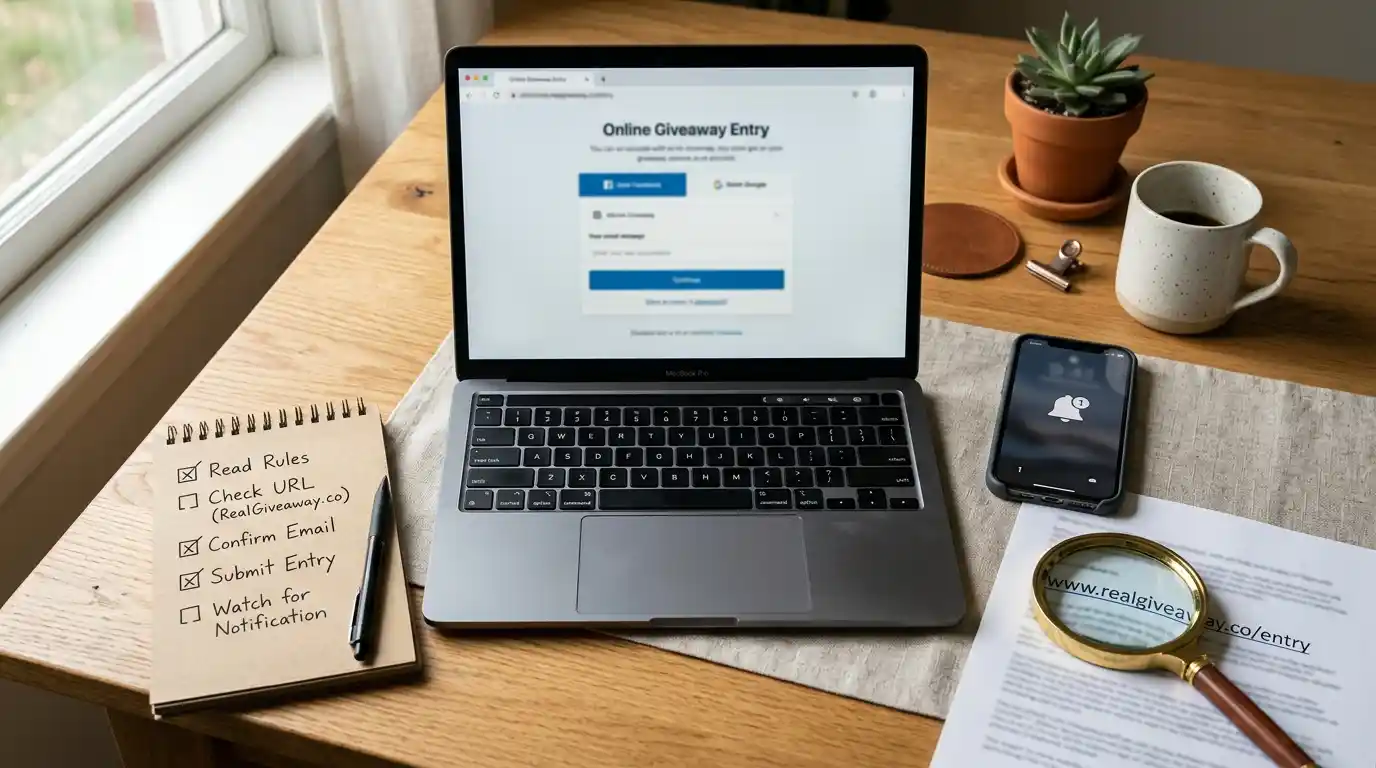
Search “look what momfound give away” and you’ll land on a cluster of similarly named sites. Several spelled almost identically to each other. That pattern matters more than any specific prize list, so it’s the actual starting point here rather than an afterthought. This article won’t point you toward a specific “official” giveaway page, because I can’t verify which domain in this cluster. If any, is genuinely the original source versus a copy trading on a familiar name.
What you’ll get instead is a clear way to check any site using this name before you hand over an email address. Plus the specific patterns worth watching for based on how this particular keyword cluster is actually structured online.
What “Look What Momfound Give Away” Actually Points To
The name traces back to a family-lifestyle blog that reportedly runs reader giveaways alongside parenting content and product reviews a completely ordinary. Longstanding format in that corner of the internet. A genuine version of that description plausibly exists somewhere in this cluster of similarly named domains.
The trouble is that a recognizable, search-friendly brand name. Like this one is exactly the kind of thing that gets duplicated once it starts generating steady traffic. Multiple domains some differing by just a word, a double letter. Or a country suffix currently publish content using close variations of the same name. And at least two names in this space (whatifoundtoday.com, hustlewithmom.com) don’t even share the “Look What Mom Found” phrasing directly. Suggesting a broader network of related sites rather than one blog with a couple of copycats.
Is Look What Mom Found a Real Giveaway Blog?
The underlying concept is plausible and likely real somewhere in this space a family blog running reader giveaways. Since roughly the mid-2000s is a genuine, common format. What can’t be confirmed from outside is which specific current domain. If any, is still operated by the original team. Since the name now spans several sites with overlapping branding rather than one clearly authoritative source.
Why This Keyword Cluster Deserves Extra Caution
A few patterns are worth naming directly rather than glossing over. The sheer number of near-identical domain spellings circling one phrase is itself a signal legitimate brands occasionally register a few defensive domain variants. But six or more close spellings actively publishing content is a different scale of activity entirely. And it’s consistent with either aggressive SEO farming or coordinated attempts to capture traffic intended for one specific source.
It’s also worth being skeptical of any giveaway page that asks for more than a name and email to enter. Legitimate giveaways typically need minimal information upfront enough to verify eligibility. And contact a winner while pages designed to harvest data sometimes request more than that. Under the guise of “extra entries” for sharing additional personal details. If a page’s entry form asks for a phone number, home address. Or account credentials before any prize has actually been confirmed as won, that’s a reasonable point to stop and reconsider.
Why Do So Many Sites Use Variations of the Same Giveaway Brand Name?
Popular, search-friendly names attract copycat content. Because they generate reliable traffic, and profit from that traffic through ads, affiliate links. Or in some cases, harvested contact information. When one keyword cluster spans this many close spelling variants and even a couple of unrelated-sounding companion domains. It’s a stronger signal of a coordinated content network than of several independent bloggers who happened to pick similar names.
How to Verify Any Giveaway Before You Enter
A few minutes of checking meaningfully cuts your risk before entering anything under this name or a similar one. This isn’t about assuming every giveaway is fake it’s about building a habit. That protects you regardless of which specific site you land on.
Check whether the named sponsor brand is real and independently confirmable through that brand’s own official channels. Not just a logo or name mentioned on the giveaway page itself. Look for a clear closing date, defined eligibility rules, and a stated winner-selection method. A promotion that’s vague on these specifics. Or that copies generic boilerplate rules nearly word-for-word from another similar site. Is giving you less to verify rather than more. And search the specific domain name alongside the word “scam” or “legit” before entering for a keyword cluster this crowded. Other people have very likely already asked the same question. And existing discussions can save you the trouble of finding out the hard way.
What Should I Check Before Giving My Email to a Giveaway Site?
Confirm the sponsor brand is genuinely real by checking its own official site or social accounts, not just trusting a name that appears on the giveaway page. Also check whether the site has a visible, multi-year publishing history with varied content, since a site that appeared recently and only ever seems to publish giveaway posts is a weaker signal of legitimacy than an established blog with a broader archive.
Red Flags Specific to Prize and Giveaway Scams
Prize scams follow recognizable patterns regardless of which brand name gets borrowed for them, and consumer protection guidance from sources like the Federal Trade Commission is consistent on the core warning signs. The clearest one: legitimate giveaways never require payment to release a prize you’ve supposedly already won.
Watch for messages claiming urgency “respond within the hour or forfeit your prize” since real giveaways generally give winners a reasonable, clearly stated response window rather than an artificially compressed one designed to prevent you from thinking it through. Unsolicited winner notifications for giveaways you don’t remember entering are another major warning sign, since legitimate winner announcements typically come through the same channel you actually entered through, not out of nowhere via text or a surprise email. If a “winner notification” arrives through a channel you didn’t use to enter, treat that mismatch as a serious red flag rather than a minor inconsistency.
Would a Real Giveaway Ever Text Me Out of Nowhere to Say I Won?
Generally, no legitimate giveaways typically notify winners through the same channel used to enter, whether that’s email, a social media reply, or a blog comment, rather than an unrelated text message from an unknown number. An unsolicited “you’ve won” message you can’t trace back to something you actually entered is one of the more reliable signs of a scam rather than a genuine prize notification.
Building a Safer Habit Around Giveaway Entries
None of this means every giveaway online is untrustworthy plenty of family bloggers run genuine, well-run promotions with real brand partners. It means this specific keyword cluster, spanning this many close domain variants, needs more verification than usual before you trust it with any personal information.
A simple habit covers most of the risk: use a separate email address specifically for giveaway entries, never pay anything to claim a prize regardless of how the request is framed, and independently verify any sponsor brand before entering rather than trusting whatever’s stated on the giveaway page itself. That habit protects you whether a specific site turns out to be completely legitimate or not, and it takes only a few extra minutes per entry.
Is It Safe to Use a Dedicated Email Address for Giveaway Entries?
Yes, and it’s genuinely a good habit regardless of how legitimate any specific giveaway looks. Keeping giveaway entries separate from your primary email means any spam or phishing attempts that follow land somewhere you’re not checking constantly, without putting your main inbox or any accounts linked to it at risk.
Conclusion
Look what momfound give away points to a real, longstanding giveaway concept, but the name today spans a cluster of similarly spelled domains that makes verification genuinely necessary before you trust any specific one. Check the sponsor, check the domain, and never pay or hand over sensitive information to claim a prize that habit protects you regardless of which particular site in this cluster you happen to land on. A missed giveaway costs you nothing; a scam that harvests your information can cost considerably more.
FAQs
The underlying concept is plausible and likely genuine somewhere in this space, but the name spans multiple domains today, including several with nearly identical spellings and a couple of unrelated companion sites. Verify the specific domain independently before entering or sharing any personal information.
Check for a clearly named, independently verifiable sponsor brand, a defined closing date and eligibility rules, and a stated winner-selection process. Real giveaways also never require payment to release a prize, and legitimate winner notifications come through the same channel you actually used to enter.
Popular, search-friendly names attract copycat content because they generate reliable traffic that can be monetized through ads, affiliate links, or in some cases, collected contact information. A cluster this large, spanning several close spelling variants, is a stronger signal of a coordinated content network than of independent bloggers who happened to choose similar names.
Be cautious about this most legitimate giveaways only need an email address and possibly a shipping address if you actually win, not a phone number upfront just to enter. A request for more contact information than a prize genuinely requires is worth treating as a caution flag rather than a routine formality.