
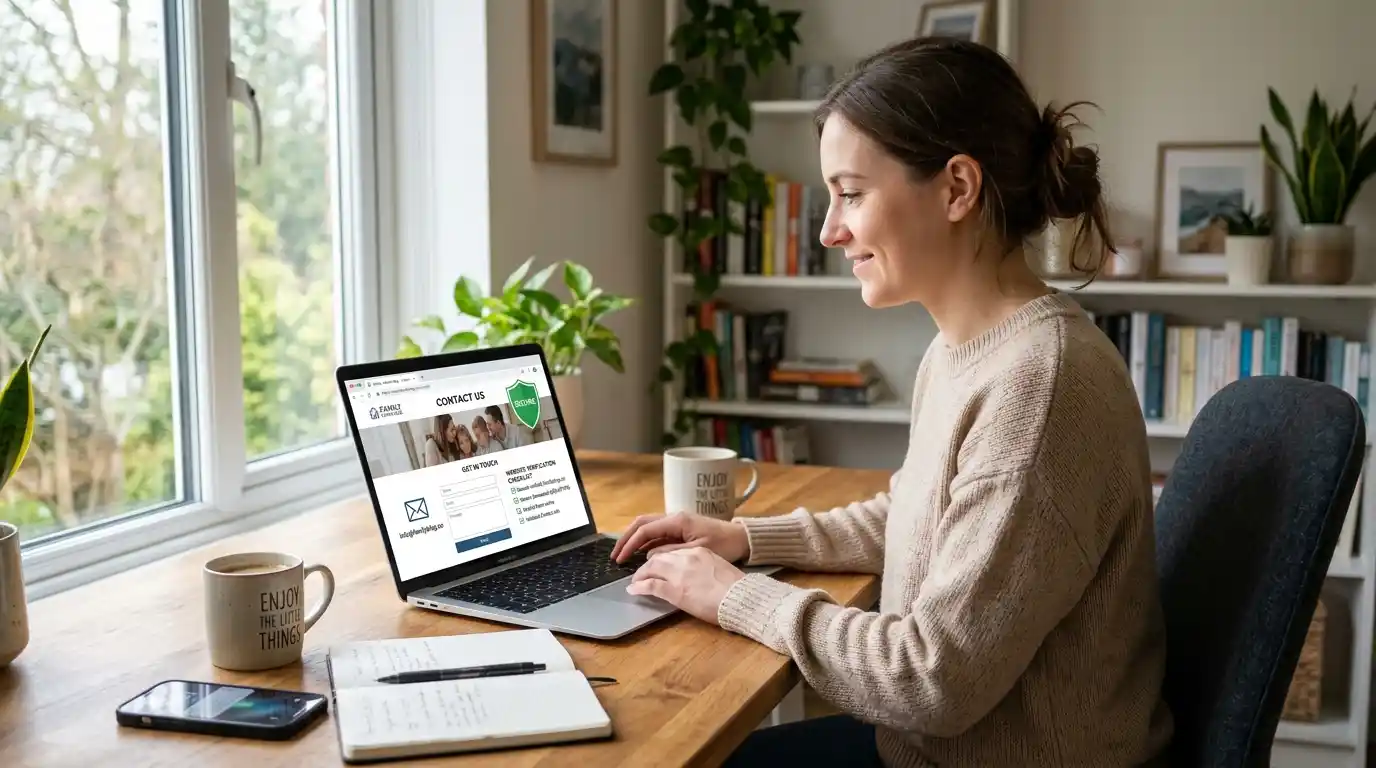
Finding lookwhatmomfound email turns out to be more challenging than expected because rather than seeing a single website where you can find their contact information, you may stumble upon different websites or old sources. It will be quite hard to understand if you are reaching out to the official family lifestyle blog or just some other website with a similar name.
However, if you are trying to reach out to them because you want to ask about the giveaway, product review, or partnership, it will help you to save a lot of your time if you spend a few extra minutes making sure that you are on the right website.
Understanding Why lookwhatmomfound email Searches Can Be Confusing
Not everyone looking for this keyword is just interested in finding an email address; they may want to connect with the blog for giveaways, sponsored collaborations, comments or product reviews. Family blogs usually get a lot of searches and there might be some out-of-date links along with the real link to the blog.
It is always better to make sure that you are using the correct contact page from the blog.
Why Multiple Contact Listings Exist
Popular websites often get listed on directory, review, and blog lists. However, changes to the contact details are not reflected on these lists every time.
Search engines might also index an archived website, thus displaying old contact details along with updated contact details. This is the reason why different resources display different contact information at times.
Common Reasons Readers Reach Out
Visitors usually contact lifestyle blogs for practical reasons, including:
Questions about giveaways
Product review opportunities
Brand collaborations
Reader feedback
Media inquiries
General website questions
Knowing your purpose helps you write a clearer, more effective message.
How to Verify the Official Contact Page
Prior to making any contact, take a moment to verify that you have reached the legitimate website. This verification becomes crucial where search results display several websites that are somewhat alike.
Legitimate websites are often very informative and do not leave room for assumptions.
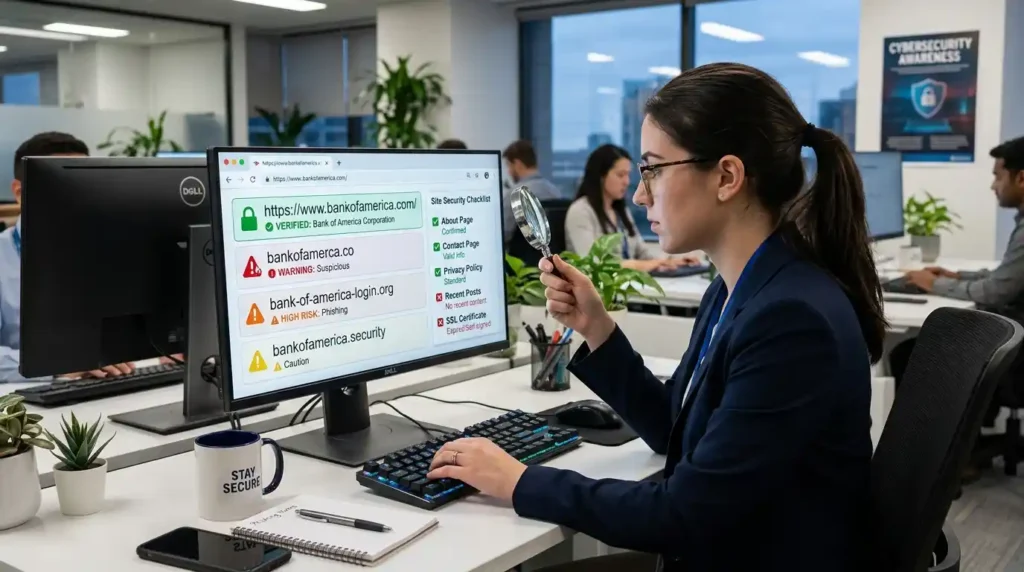
Review the Website Structure
A legitimate blog typically includes:
A detailed About page
A dedicated Contact page
Recent published articles
Privacy Policy
Disclosure Policy
Consistent branding
These pages demonstrate transparency and help visitors understand who operates the website.
Compare Information Across Pages
Don’t rely on a single webpage.
Review the About page, Contact page, and recently published articles. Common branding, style of writing, and navigation generally mean that the website is authentic, not some unrelated duplicates.
Writing a Professional Inquiry
When you have determined that you are contacting through the proper form, the next step is to create a concise, polite message.
A blog owner receives lots of emails each week. Conciseness will improve the chance of getting an informative response.
Use a Clear Subject Line
Good subject lines include:
Product Review Inquiry
Giveaway Question
Brand Collaboration
Reader Feedback
Media Request
Specific subjects immediately tell the recipient why you’re writing.
Explain Your Purpose Clearly
Begin with a brief introduction before explaining your request.
If you are reaching out to the blog for a company, provide brief details about the company, as well as why your product is relevant to the target audience. Personalized emails always work better than any form of marketing templates.
Recognizing an Established Family Lifestyle Blog
The credibility of authentic lifestyle blogs is gained slowly but surely through regular blogging and communication.
Each and every site is unique and designed differently; however, credible sites usually have certain features in common.
Consistent Publishing History
Long blogs are always known for articles that have appeared over a number of years and not just dozens in a few days.
An apparent archive can help to prove that there has been some kind of continuous work going on.
Clear Editorial Voice
Family blogs typically cover topics such as:
Parenting
Home organization
Family travel
Recipes
DIY projects
Product reviews
Articles generally maintain a similar writing style throughout the website.
Transparent Website Policies
Professional publishers often include pages explaining:
Privacy practices
Advertising disclosures
Terms of use
Contact information
Transparency helps readers understand how the website operates.
Staying Safe While Contacting Blogs Online
The same online safety principles apply whenever you communicate with bloggers, influencers, publishers, or businesses.
A few simple habits significantly reduce unnecessary risk.
Avoid Sharing Sensitive Information
Initial conversations rarely require financial information or personal documents.
Share only the information necessary to discuss your inquiry.
Verify Before Following Links
If you receive unexpected links or attachments, examine them carefully before opening anything.
When uncertain, revisit the official website manually rather than relying entirely on email links.
Watch for Warning Signs
Be cautious if communication:
Creates unnecessary urgency
Requests confidential information
Contains inconsistent branding
Uses unusually poor grammar
Makes unrealistic promises
Professional communication generally remains clear, transparent, and relevant.
Best Practices for Brand Partnerships
Many companies contact family lifestyle blogs because their audiences appreciate authentic recommendations.
Thoughtful outreach improves the experience for both brands and creators.
Personalize Every Proposal
Mention a recent article you’ve genuinely read.
Explain why your product naturally fits the audience rather than sending identical emails to multiple blogs.
Personalization demonstrates respect for the creator’s work.
Include Relevant Information
Helpful details include:
Company introduction
Product overview
Target audience
Collaboration idea
Timeline
Contact details
Providing complete information helps reduce unnecessary follow-up emails.
Final Checklist Before Sending Your Email
Before pressing “Send,” review your message one final time.
Make sure that you are accessing the legitimate website, proofread your email, verify your link if you have added any, and ensure that your message is relevant to the contents of the blog.
These are minor actions that will help make you look more professional while also reducing the confusion caused by outdated search results.
Conclusion
Lookwhatmomfound email search is not limited to finding the first email address shown on the Internet. It is important to make sure that the website is official and then use the information from it to write a business letter. Regardless of whether you want to inquire about a give-away, a product review, or collaboration, verifying the information is the right way to proceed.
Frequently Asked Questions
Look at the About section, Contact section, and the latest posts on the website. These are all good signs.
It’s not always a good idea because these websites might have outdated or incomplete information, so it’s better to check it yourself on the official site.
The introduction of your company, explanation why your product fits the target audience, and collaboration proposal.
Do not send passwords, financial information, or any unnecessary personal information in an initial inquiry.